
© 2026 All rights reserved.

Measuring what broadband data couldn't see.

Helping ANTHC and its partners turn a multi-state telehealth broadband program into a working system for collecting real-world connectivity data and supporting outreach, deployment, and operations.

ANTHC

Client

Alaska Native Tribal Health Consortium / National Telehealth Technology Assessment Center

Project

Telehealth Broadband Pilot Program

Services

Discovery Innovation

Year

2021–2024

Overview

Turning an ambitious program into a working measurement system.

We connected real-world broadband measurement, local participation, and research to show how connectivity shaped telehealth readiness in rural communities.

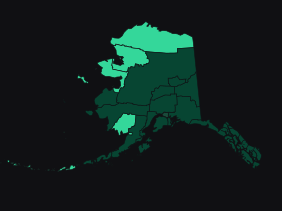
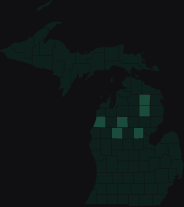
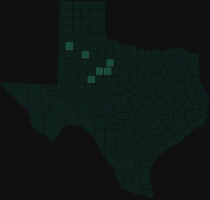
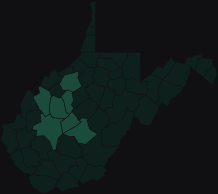
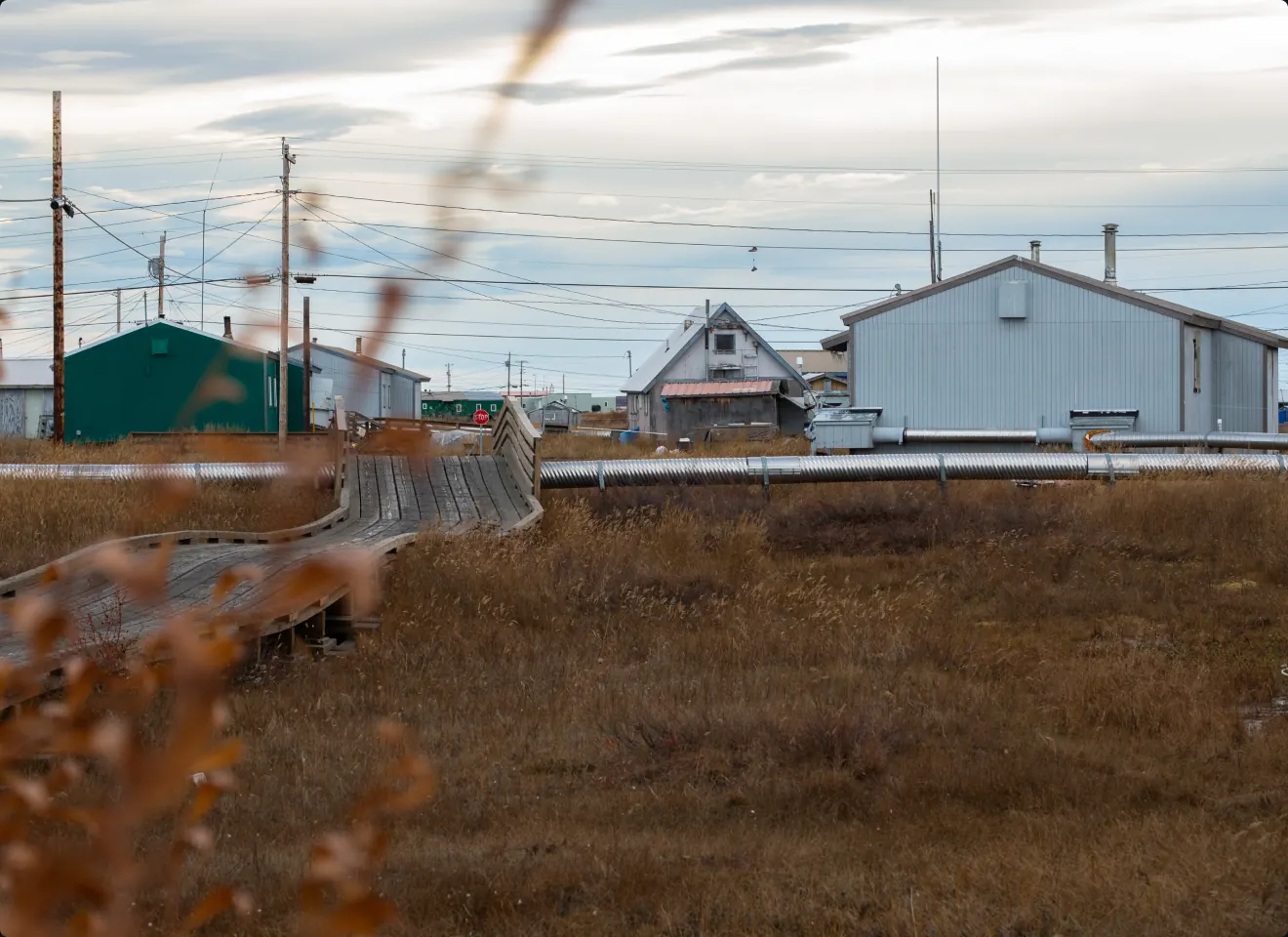
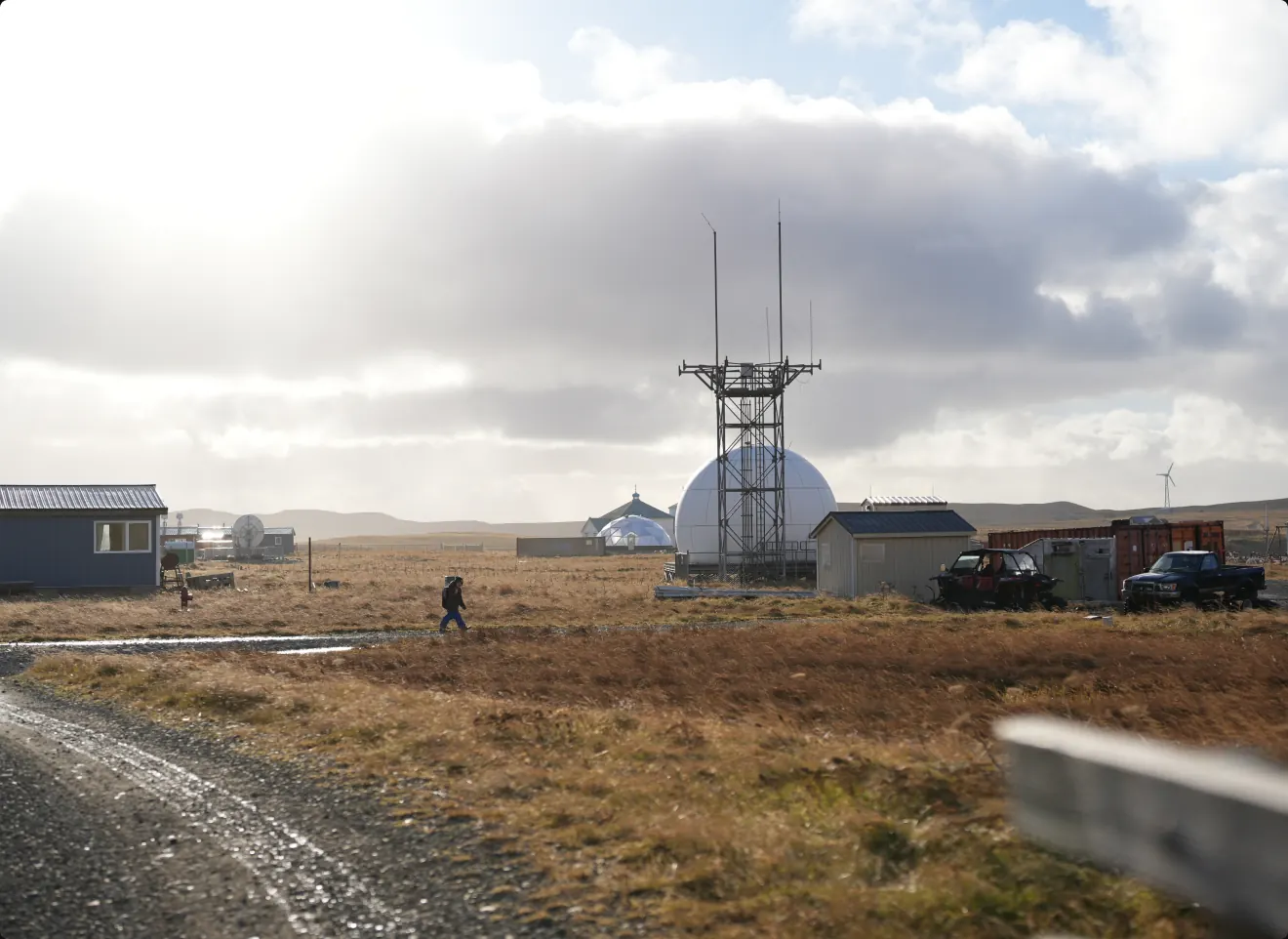
Led by ANTHC/TTAC under a cooperative agreement with the Health Resources and Services Administration, the Telehealth Broadband Pilot Program brought together healthcare organizations, universities, researchers, and local partners across Alaska, Michigan, Texas, and West Virginia. We helped turn that mandate into a working field operation, developing the measurement technology and supporting outreach, deployment, data infrastructure, and program delivery.

Alaska

Michigan

Texas

West Virginia

What we built and ran

Measurement strategy

Shaped a model combining continuous monitoring, community testing, field research, and public data.

Monitoring system

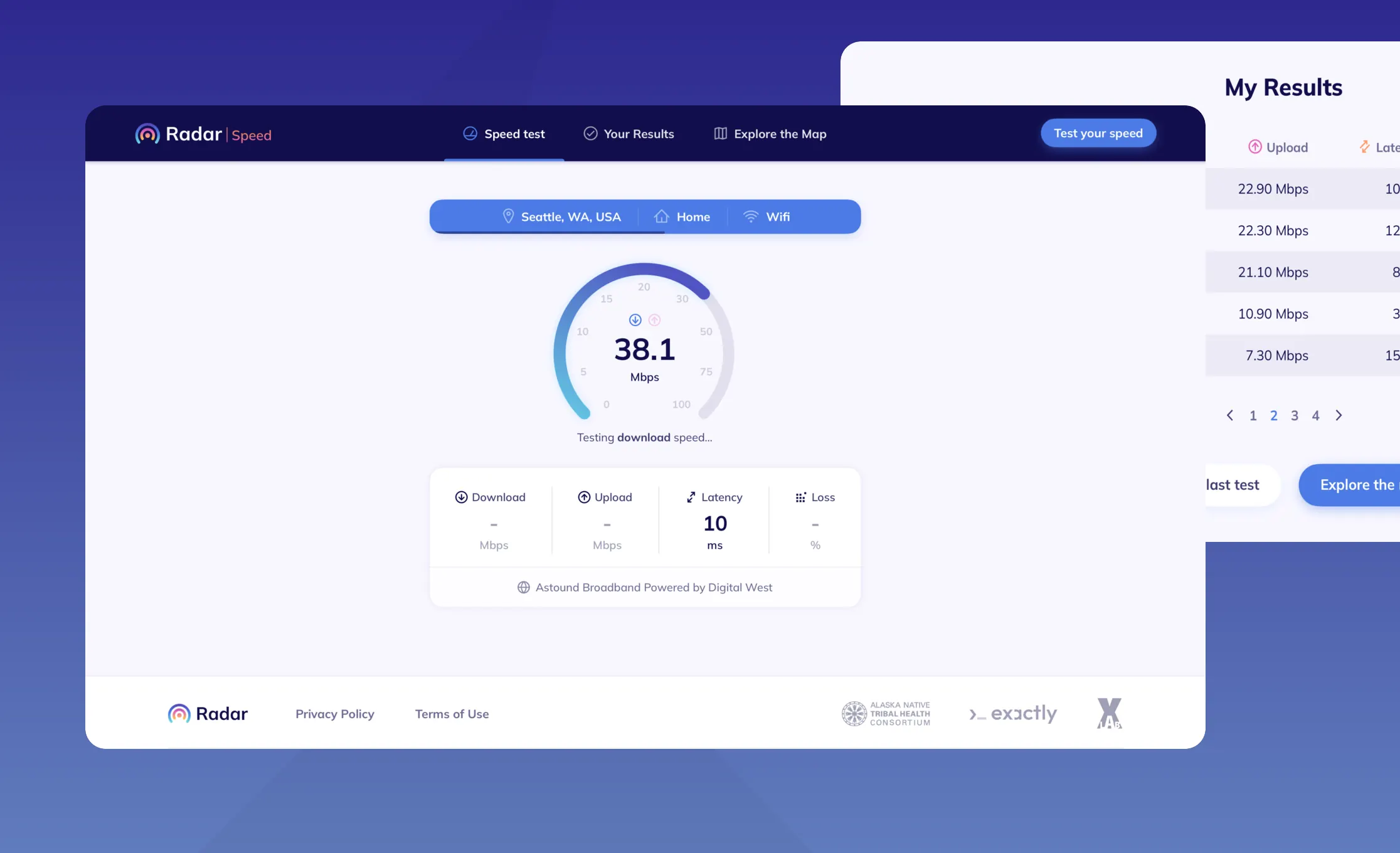
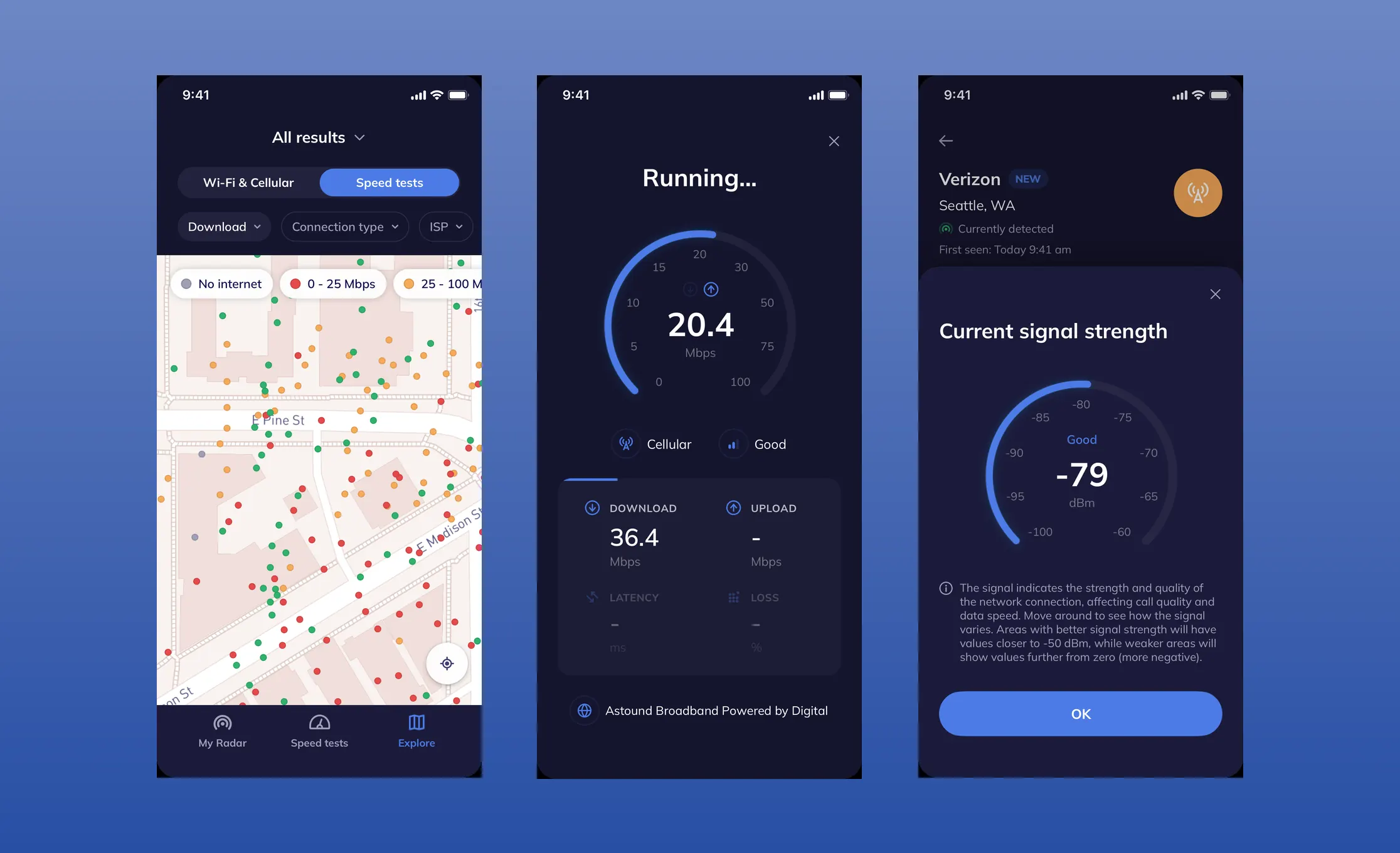
Designed the hardware and software for fixed, web, and mobile connectivity measurement.

Field operations

Managed assembly, inventory, distribution, deployment, monitoring, updates, and troubleshooting.

Data and evidence

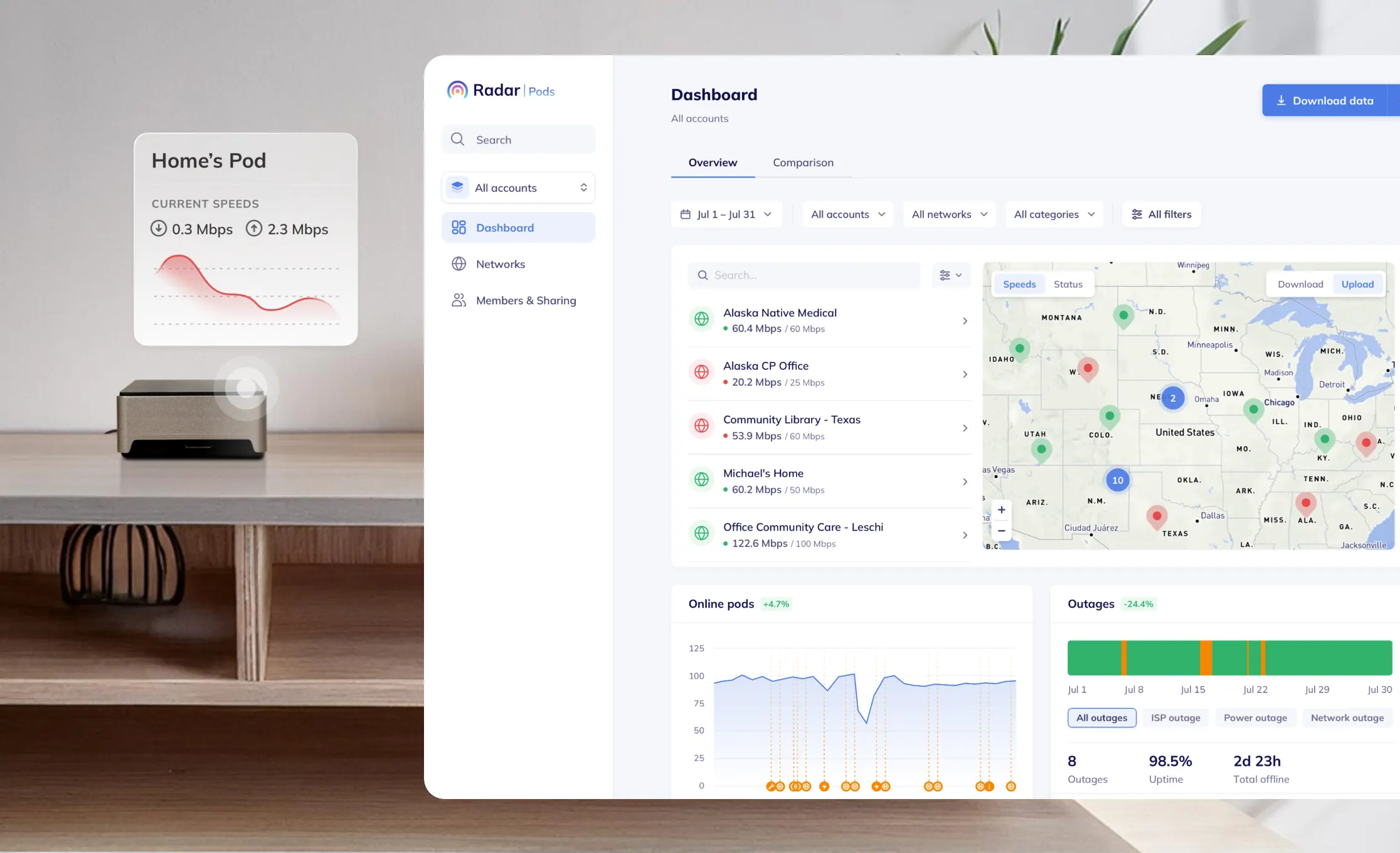
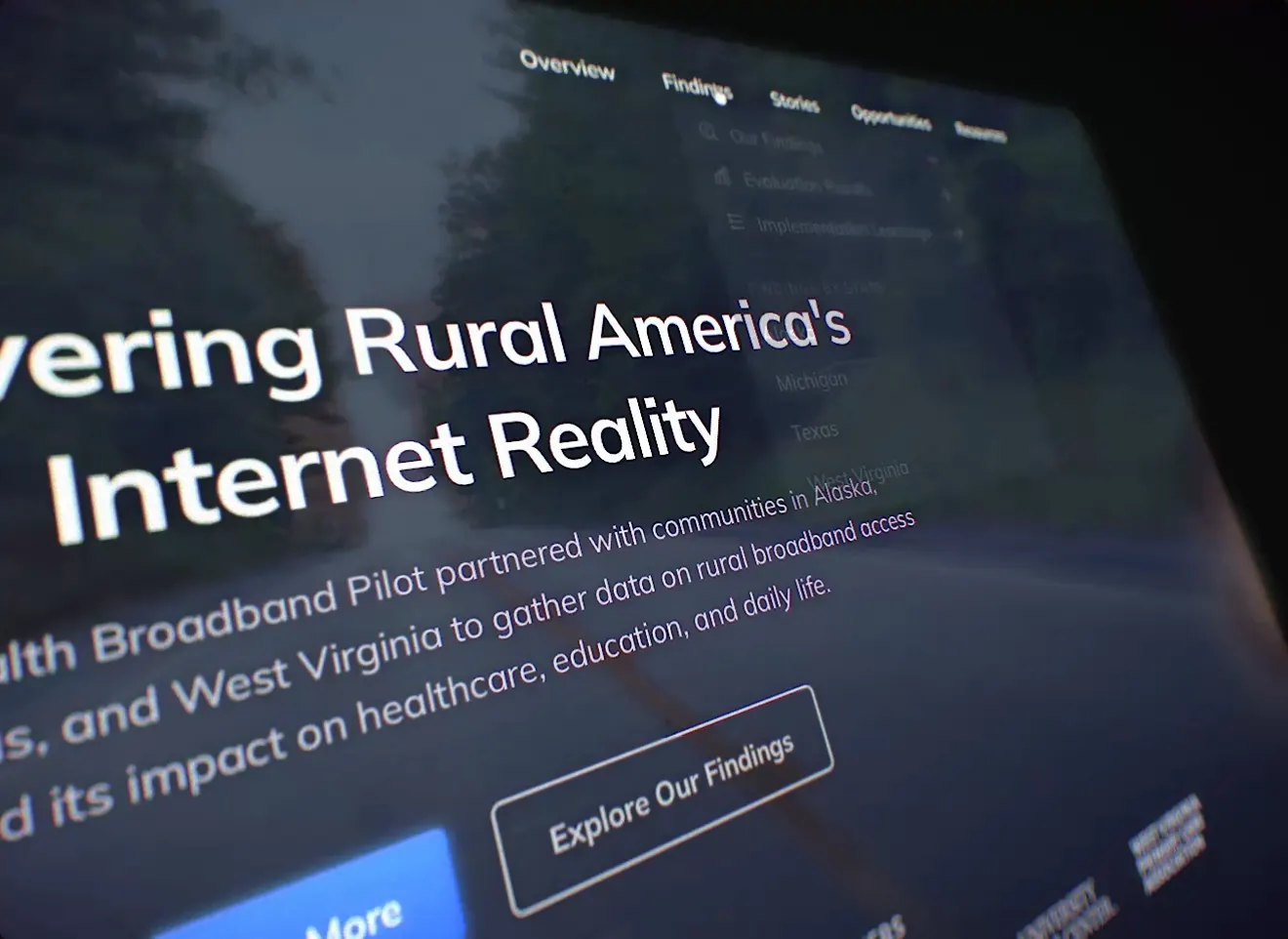
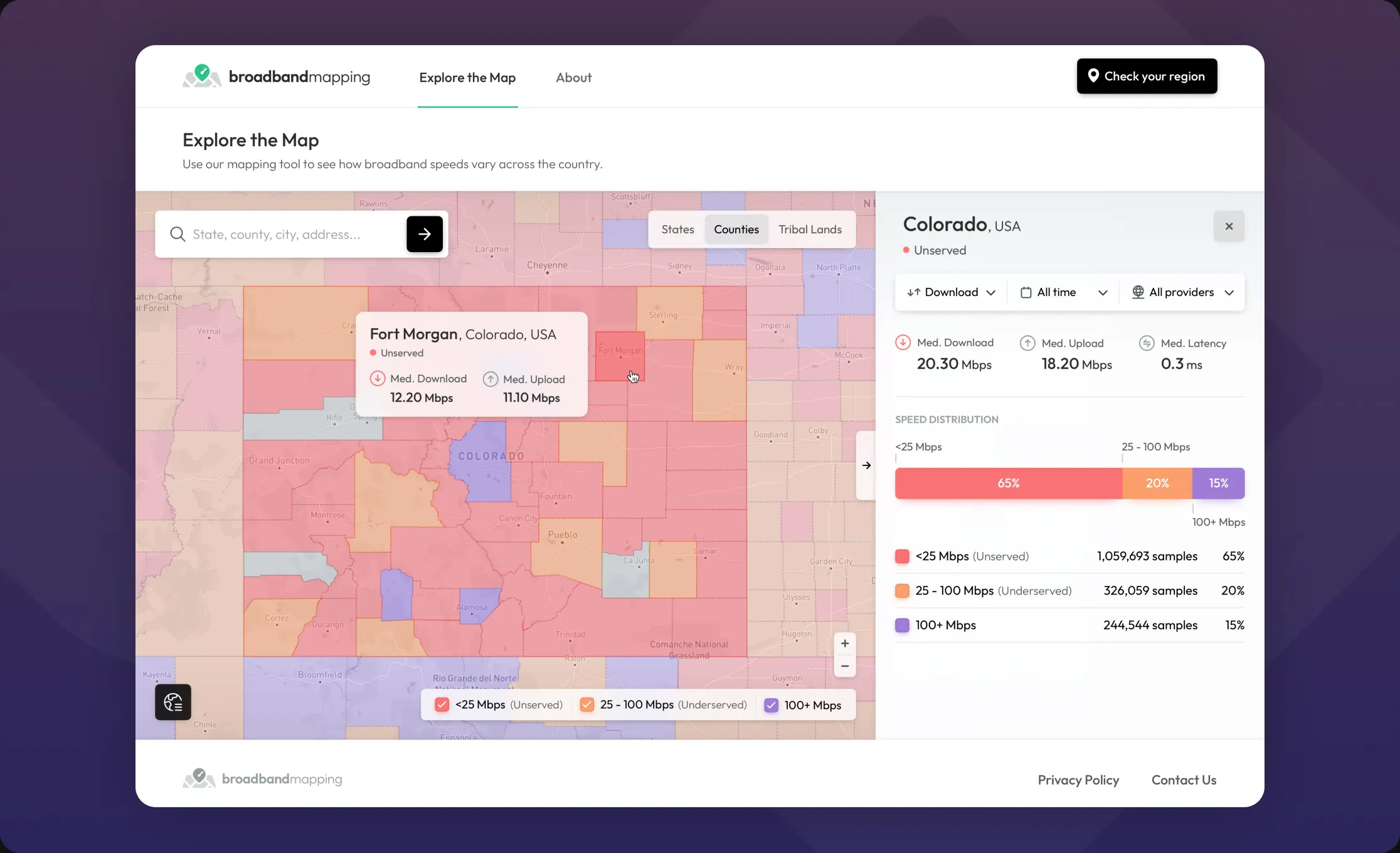
Built pipelines, maps, dashboards, exports, and websites that turned measurements into usable evidence.

Outreach and participation

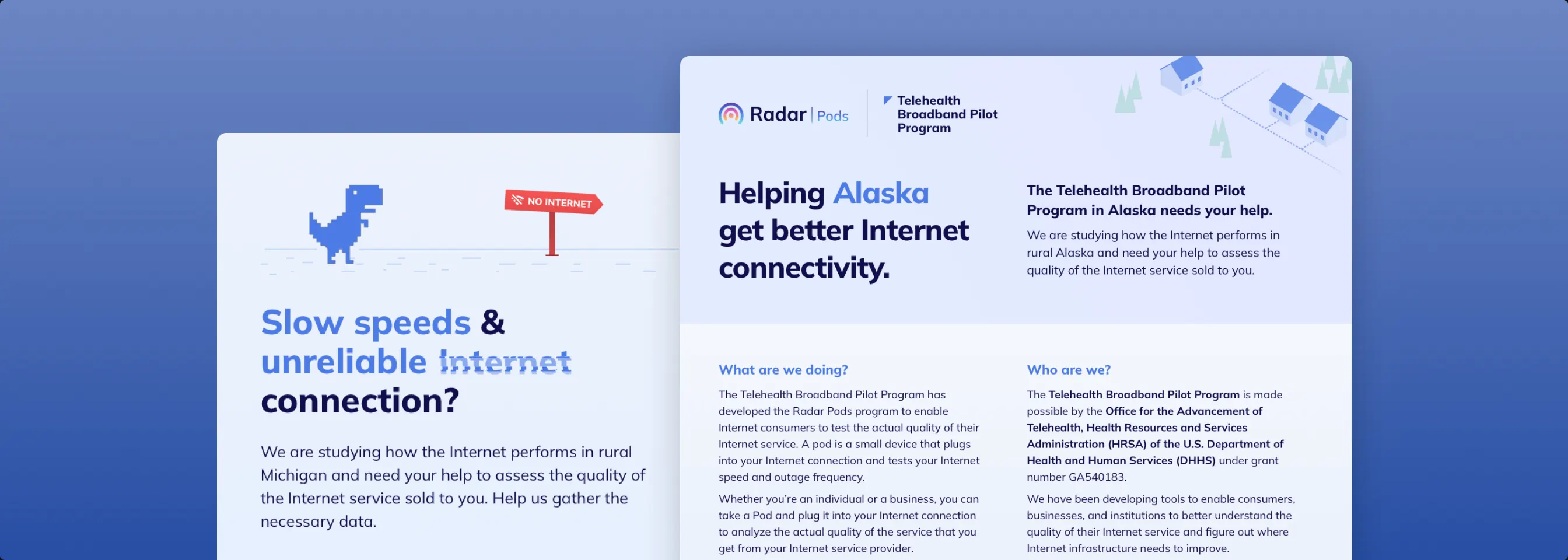
Created campaign and educational materials and supported outreach and participant recruitment.

Program delivery

Supported partner coordination, HRSA reporting, and grant administration.

The Challenge

Broadband data didn't match reality.

Broadband coverage maps and provider-reported data could make a community appear connected even when unreliable service, outages, and changing performance still made virtual care inaccessible.

“A place can appear connected on a map and still be unable to rely on that connection when it matters.”

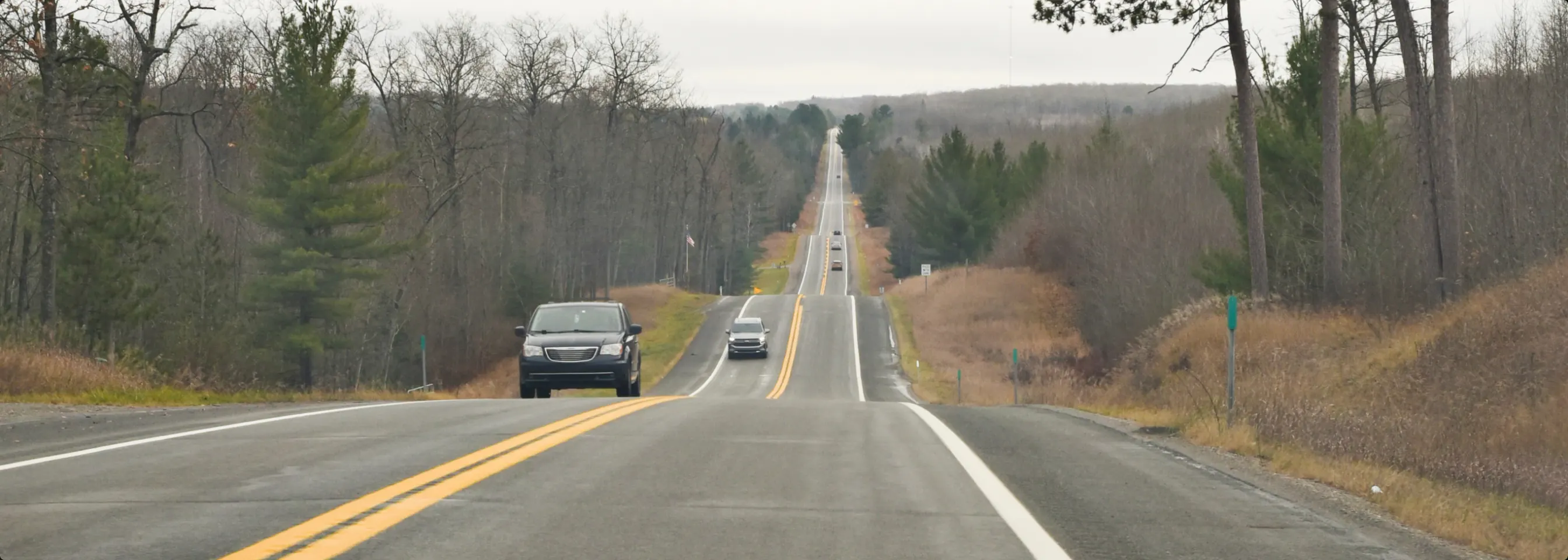
Measuring conditions across 25 rural counties and county-equivalents brought its own challenges. Sites were dispersed, networks and connection types varied, and bandwidth limits and data caps differed. Devices had to operate reliably, recover from outages, and support remote maintenance and updates.

The human infrastructure mattered too. Healthcare teams needed confidence that devices could be installed safely, while local partners recruited sites, coordinated deployments, and explained the tools to participants with varying technical experience.

The program therefore needed more than a speed test. It required field-ready technology, repeatable deployment, partner support, public education, and consistent data across four states.

Our Approach

Building the system around the work.

No single product could make the program work. It required a connected approach that paired reliable measurement technology with the outreach, deployment, support, and local problem-solving needed across rural communities.

We designed those two sides together: a technical system for collecting and interpreting evidence, and an operating model for putting it to work.

Technology and data

Fixed, web, and mobile measurement connected to mapping, dashboards, public resources, and research workflows.

Field and program delivery

Outreach, participant recruitment, deployment, troubleshooting, partner coordination, and program support.

A connected toolkit for rural broadband.

The products were designed as parts of one evidence chain rather than as standalone tools. Shared data and infrastructure allowed site-level observations to build into a broader view of rural connectivity.

Measure over time

Recurring measurements instead of isolated snapshots.

Collect across contexts

Fixed-site, web, and mobile data collection.

Operate remotely

Remote setup, monitoring, updates, and support.

Prepare data for use

Consistent data for mapping, export, and analysis.

Making the program work in the field.

The tools only created value if people joined the program, devices reached the right sites, and local connectivity problems could be understood and acted on.

Participation and outreach

Created campaign and educational materials, supported direct outreach, and helped partners recruit people and organizations.

Deployment operations

Managed pod assembly, inventory, distribution, installation support, monitoring, and updates across dispersed sites.

Troubleshooting and knowledge transfer

Worked with local teams to identify Wi-Fi, hardware, cabling, and ISP configuration issues, then shared practical ways to resolve them.

The partnership

As the program grew, so did our role.

We were initially brought in to develop the monitoring hardware and mobile testing app. As the program moved into field delivery, ANTHC/TTAC asked us to take on a wider operational role.

What began as product development grew into a long-term partnership spanning field delivery, data, outreach, troubleshooting, coordination, and program administration.

Establish the measurement foundation

Build and support the tools needed to collect broadband evidence in the field.

Connect the data ecosystem

Process, map, export, and communicate measurements across public and research-facing tools.

Support real-world delivery

Help the program coordinate deployments, partners, infrastructure, and the workflows required to keep the initiative moving.

The impact

A clearer view of rural connectivity.

The Telehealth Broadband Pilot Program created a multi-method system for collecting and interpreting broadband evidence across rural communities.

According to the public program evaluation, 425 pod-deployment locations were recorded across the four participating states. Of those, 378 locations met the criteria for analysis, producing more than 3.6 million analyzed pod speed tests across the 25 target counties and county-equivalents. The result was more than a dataset. The program had fixed and mobile measurement tools, public maps, research workflows, community-facing resources, and the operational foundation needed to keep those parts working together.

4

Participating states

25

Rural counties and county-equivalents

378

Locations included in the analysis

3.6M+

Pod speed tests analyzed

Why it mattered

From better evidence to lasting impact.

Broadband access is part of telehealth access. A connection that exists on paper may still be too inconsistent, limited, or unreliable to support the services people depend on.

By combining measurements from real locations with public data and local participation, the program gave communities, researchers, public-health leaders, and policymakers a clearer view of where connectivity barriers existed and what they meant in practice.

The work also moved beyond documenting poor service. Partners gained practical tools, shared evidence, and troubleshooting knowledge to investigate local problems and make better-informed decisions about intervention and investment.

Beyond the pilot, the work left a reusable toolkit, public data infrastructure, and operational practices that communities could adapt for future measurement, research, planning, and efforts to improve connectivity.